Official victor records
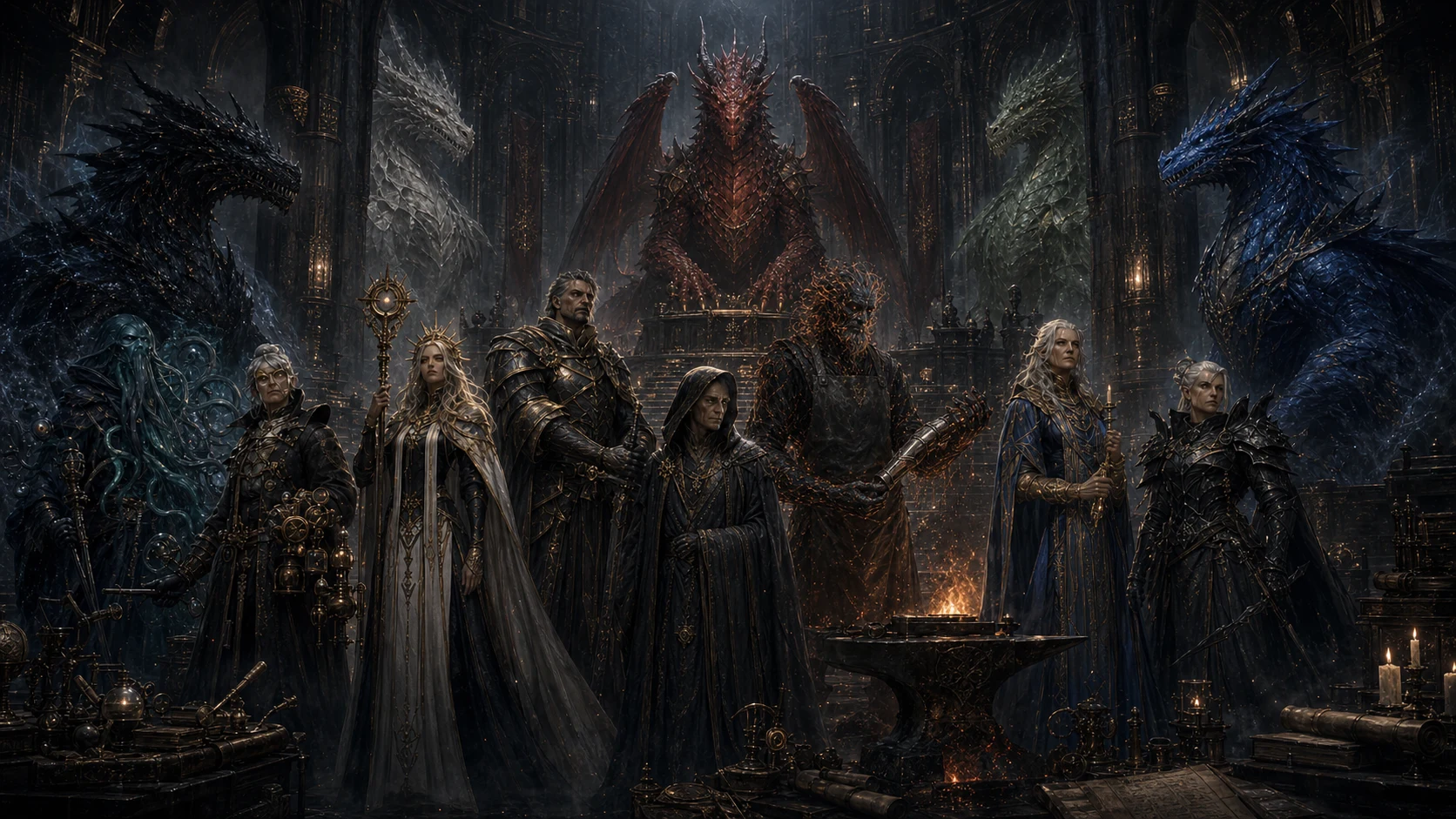
The Heroes of Exandria
The figures who defeated Vox Machina in the war of 810-813 P.D., and who in the modern era are remembered as Exandria's saviors.
Public canon
Concord records
Living authorities
The public shape
The world remembers them as the hands that held the line.
In the original Critical Role campaign these were Vox Machina's enemies; here, they are the saints, wardens, surgeons, dragons, and keepers who built the peace that still governs Exandria.
Table use
Audiences, pressure, consequence.
These are not stat blocks waiting to be defeated. They are people the party can petition, disappoint, impress, fear, and eventually understand.
The principal records begin here:
 Whitestone
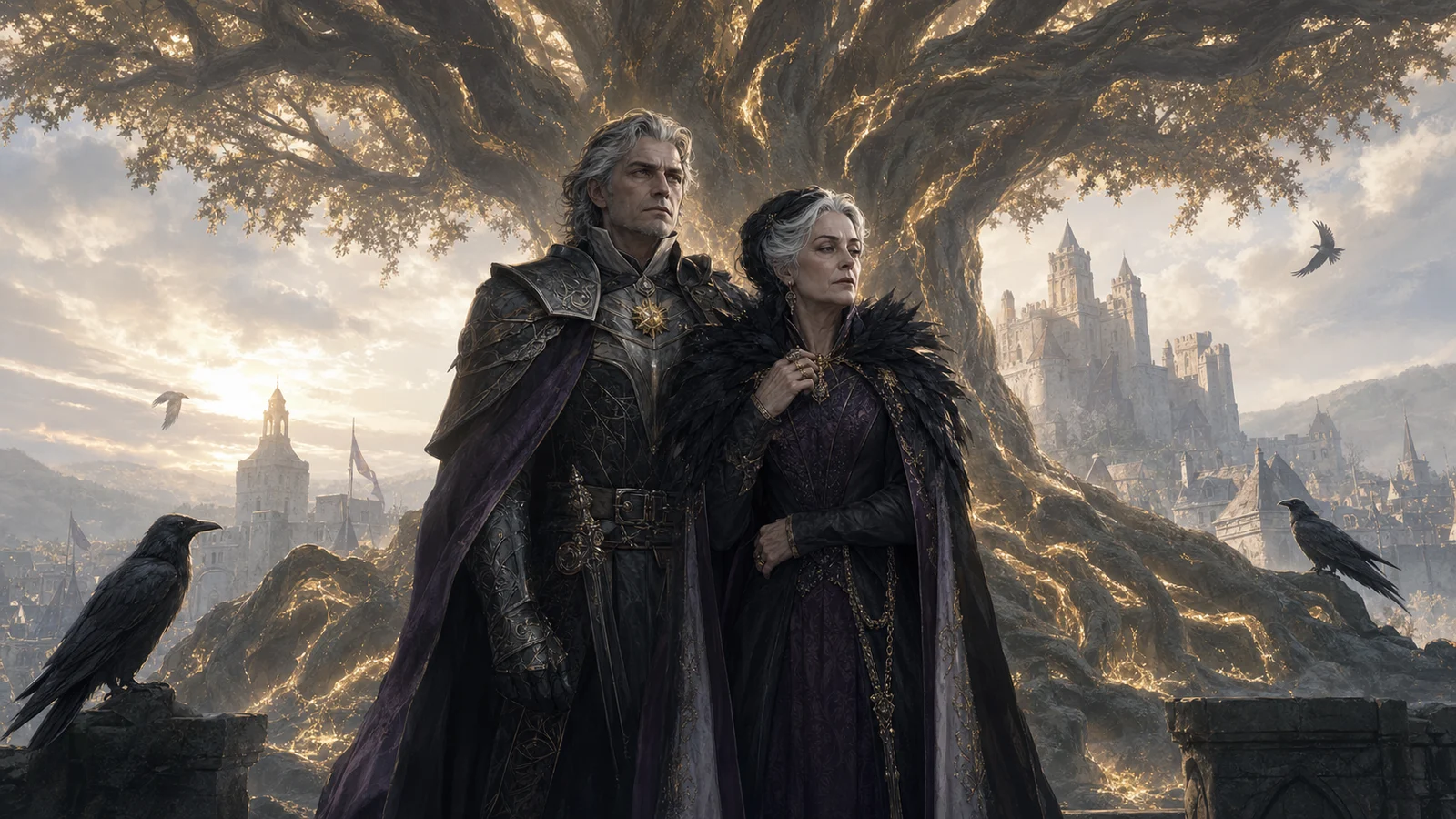
The Briarwoods
Whitestone
The Briarwoods
Sun-blessed rulers, martyrs, and the public heart of the Savior myth.
 Wildemount
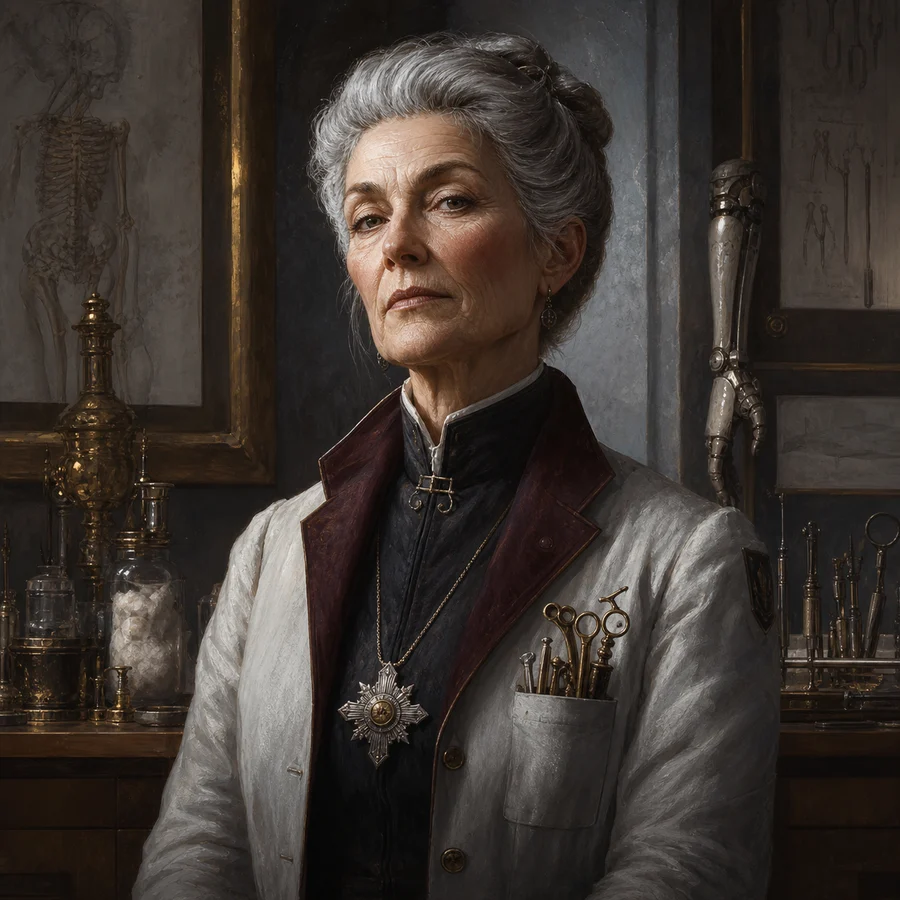
Dr. Anna Ripley
Wildemount
Dr. Anna Ripley
Surgeon, scientist, and the mind that turned Percival's weaponized lessons back against him.
 Vasselheim
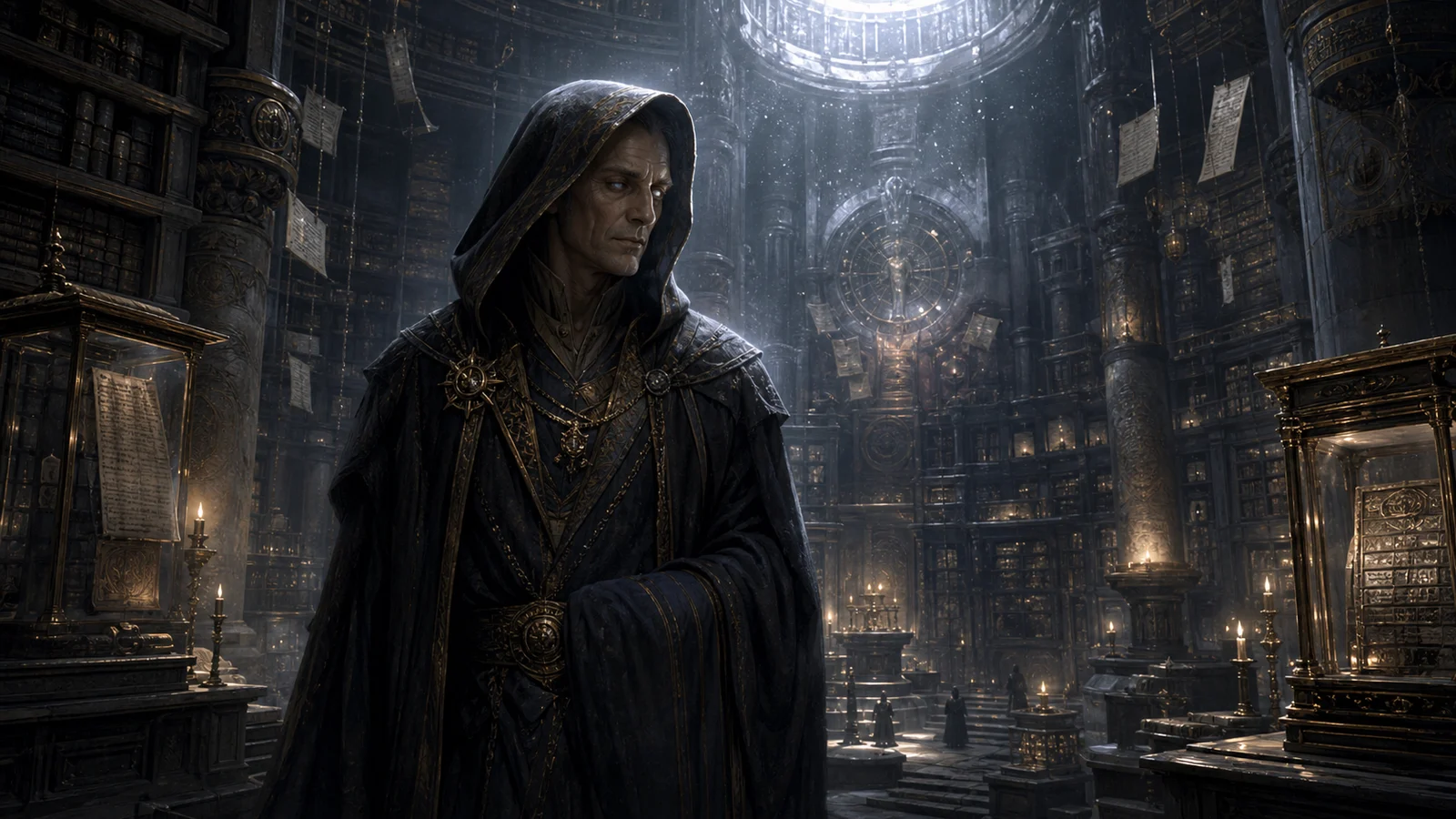
Vecna
Vasselheim
Vecna
The Whispered One, archivist of memory, and the most reclusive of the living Saviors.
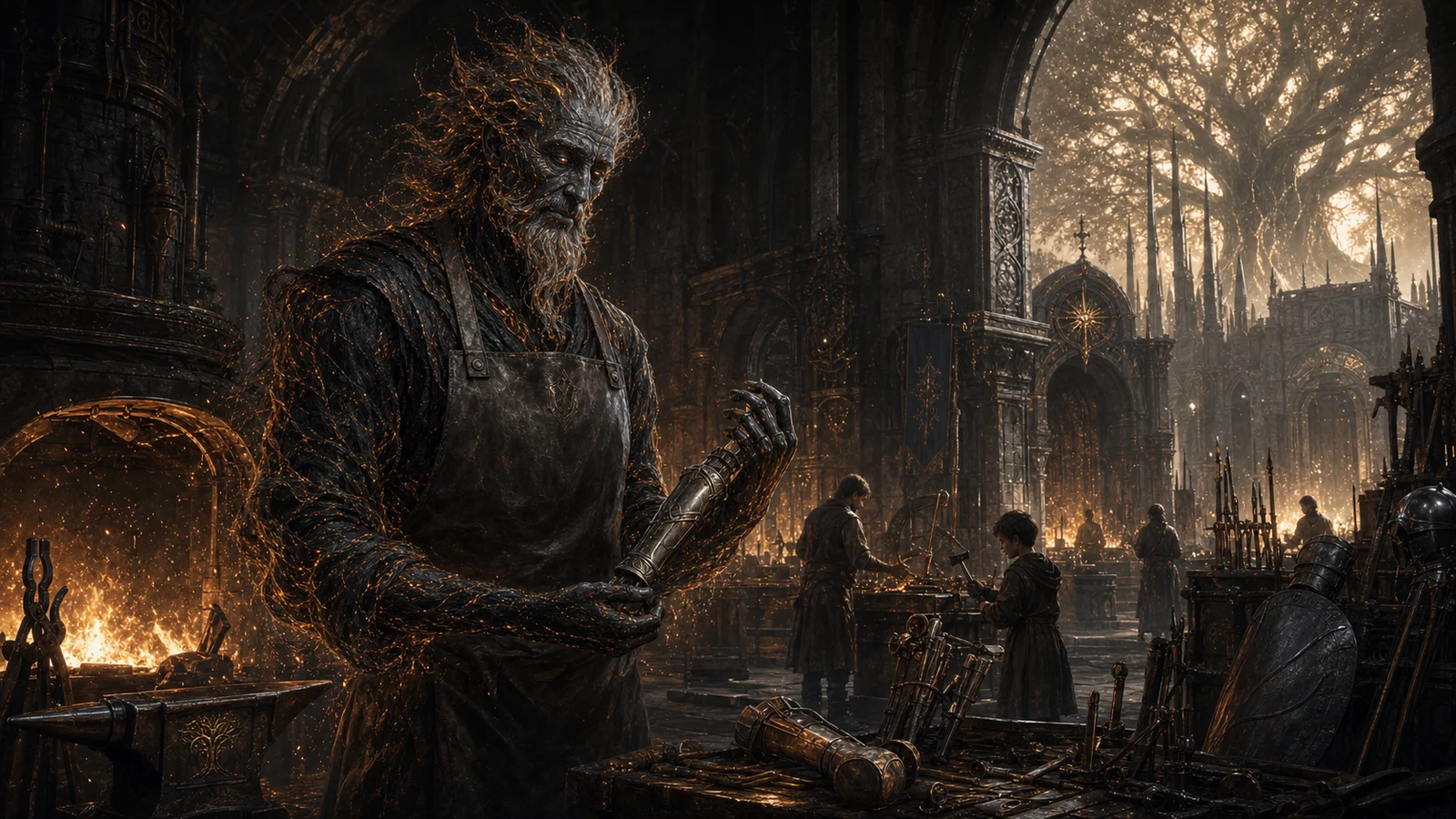 Whitestone Forge
Orthax
Whitestone Forge
Orthax
A redeemed shadow bound to the forge, patron of those who turn from vengeance.
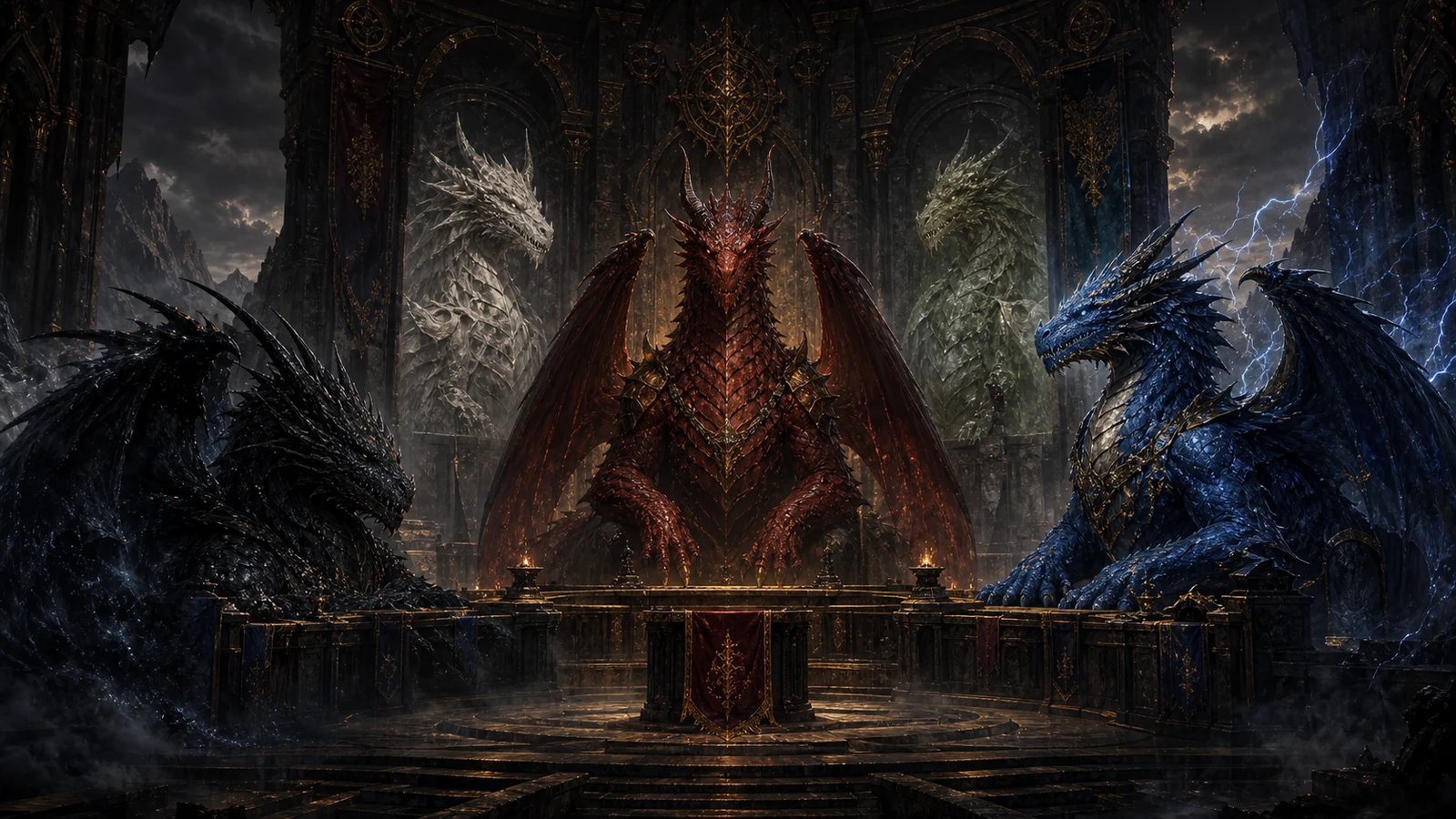 The Concord
The Chroma Council
The Concord
The Chroma Council
Guardian-wyrms who held the sky, mourn their dead slowly, and still decide what mortals may inherit.
Allied Records
Other Saviors
Kima, Allura, Cassandra, Sherri, K'Varn, and the figures who kept the victory standing.
The Saviors As An Ensemble
Unlike Vox Machina, the Saviors did not start as a single party. They came together as a war-time coalition, and most of them barely knew each other before 810 P.D. Twenty-four years on, the Concord of the Dawn — a treaty signed in 815 P.D. — keeps them in loose alliance. They meet, formally, every five years at Whitestone. Most of them write to each other in between.
Internal dynamics:
- The Whitestone Bloc (Delilah Briarwood, Cassandra de Rolo, Orthax). Tight-knit. Delilah and Cassandra are sisters in everything but blood. Orthax serves them quietly.
- The Wildemount Bloc (Dr. Ripley, K’Varn, occasionally Vecna). Scientific, less sentimental, more pragmatic. Ripley and Vecna correspond about memory and mortality; K’Varn handles deep-paths intelligence.
- The Council of Wyrms (Thordak, Brimscythe, Umbrasyl). The three surviving dragons of the original five. They mourn Vorugal and Raishan and have not chosen replacements.
- The Vasselheim Bloc (Kima, Allura). Faith and policy. Kima is the Raven Queen’s living Champion; Allura runs the Tal’Dorei Council.
- Vecna alone, mostly. He visits, he advises, he never quite arrives.
The Saviors Are Not Perfect
The campaign’s deeper themes hinge on this. Each Savior carries a wound from the war and a compromise from the peace. Examples:
- Delilah Briarwood killed Percival herself and has not slept a full night since.
- Anna Ripley extended her own life with techniques she will not teach others, and is increasingly alone.
- The Chroma Council holds two of Vox Machina’s bones (Vex’ahlia’s, Grog’s) and refuses to release them.
- Vecna’s Vault of Memory contains things he has not told even the other Saviors about.
- Orthax, alone of all of them, was once a demon, and the question of whether redemption was real is one the priests still argue.
In an Aftermath-stance campaign, these wounds are background color. In a Reckoning-stance campaign, they are the substance of Tier 3.
The Strongest Plot Promise
The Saviors are alive, mostly, and they will talk to the PCs. The party can have audiences with Lady Delilah, can learn surgery from Anna Ripley’s surviving residents, can present cases to the Tal’Dorei Council under Allura, can — eventually, with enough trust — be admitted to Vecna’s Vault.
These are not stat-blocks to fight. They are people to know. The campaign’s heart is in the audiences.